
仓库元数据

如何阅读公开 仓库信号。

仓库元数据 可以呈现公开活动、结构与维护表面。它是有用的语境,而不是 部署质量 或 客户结果 的证据。

public signals / repository 活动 / 维护 界面 / open-来源 上下文 / claim 边界

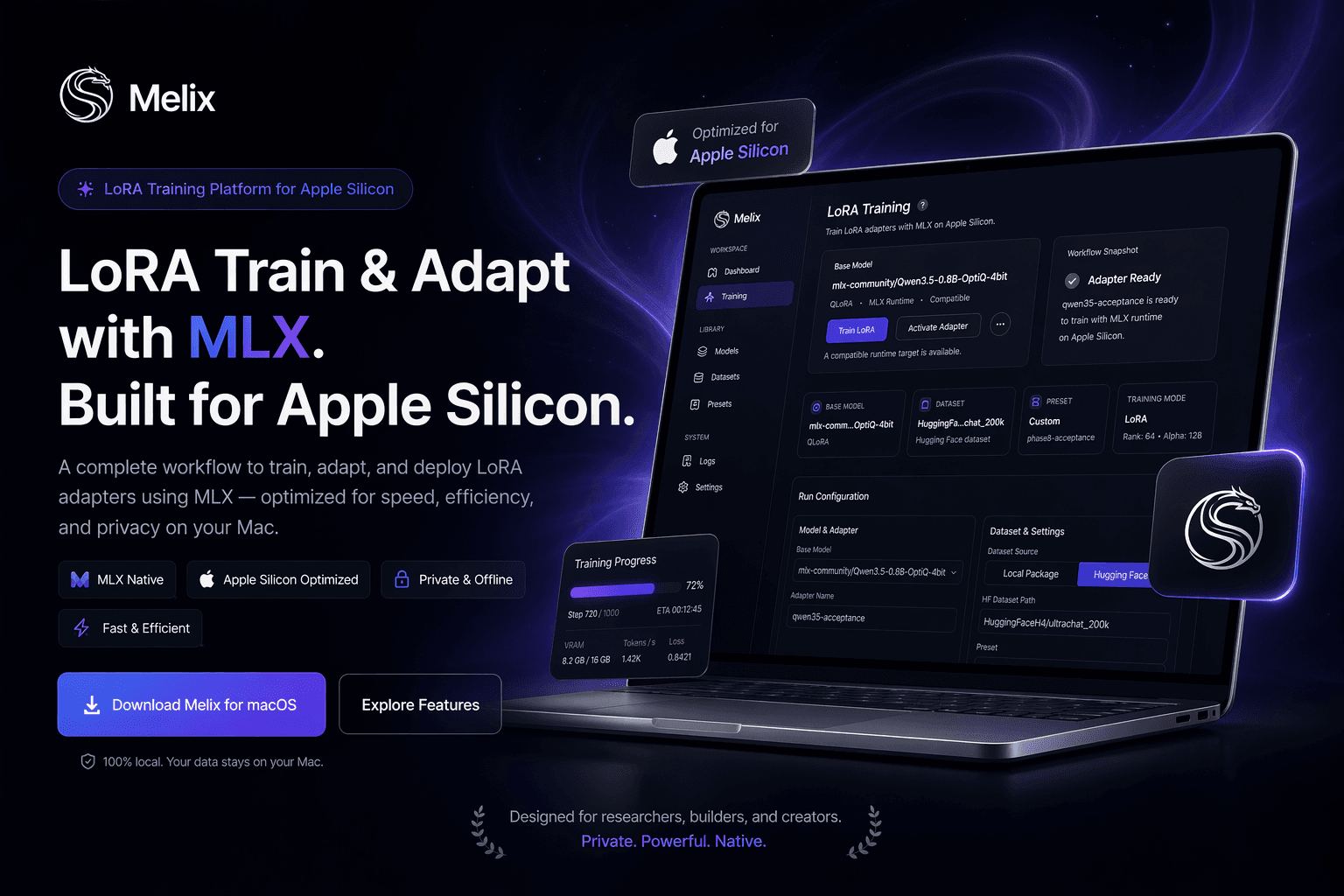
Melix product cover showing a LoRA training workflow optimized for Apple Silicon

01

Activity 上下文

Commits、releases 与 tags 可以显示项目可见的推进。

02

Structure signal

Folders、examples 与 documentation 显示 repository 如何组织。

03

Maintenance 界面

Issues 与 pull requests 显示公开讨论与 评审 入口点。

04

Claim 边界

Repository signals 不能证明 customer 部署 或 operational quality。

05

Better questions

Metadata 帮助读者在界定工作范围前,提出更清晰的技术问题。

Frame

将 metadata 作为 上下文 来阅读

Public repository metadata 是解释的起点,而不是关于 product maturity 的结论。
  • Activity 不等于 readiness
  • Stars 不等于 adoption
  • Issue volume 需要 上下文
  • Public code 与 delivery 是分开的
ChatGPT generated Titan-inspired heavy neo-engraved clamped archive case image about evidence and durable technical records

Can show

Metadata 可以显示什么

Metadata 可以让公开项目的推进、结构与协作表面更容易被检查。

  • 可见的 活动 cadence
  • Release 与 tag 模式
  • Repository 结构 与 examples
  • Public issues 与 评审 界面s

Cannot show

Metadata 不能显示什么

仓库元数据 不能证明 private implementation quality、客户结果 或 environment-specific behavior。

  • 客户环境中的 部署质量
  • Security 或 compliance posture
  • Customer adoption 或 satisfaction
  • Private 运行时 performance
ChatGPT generated placeholder Titan-inspired heavy neo-engraved nested boundary seal image

Use

Random Walk 如何使用它

Repository signals 帮助 open-来源 reference work 保持可检查,同时让 service claims 保持分离。

  • 展示 public engineering direction
  • 暴露 reference 工件 供 评审
  • 将 repository 上下文 与 service delivery 分开
  • 在 scoping 前支持技术对话

Inspect

值得检查的 signals

一个 repository 可以通过若干可见表面来阅读,而不必把它们变成分数。

  • Releases 与 tags
  • Commit history
  • Issues 与 pull requests
  • Documentation 与 examples
ChatGPT generated placeholder Titan-inspired heavy neo-engraved balance scale image for evaluation evidence

Restraint

克制地阅读

真正有用的问题是,可见 signals 是否与项目所声明的角色相匹配。

  • 将 claims 与 visible 工件 对照
  • 将缺失的 metadata 视为问题
  • 将 popularity 视为弱信号
  • 询问 repository 实际展示了什么

Boundary

Repository 与 implementation

公开 repository 可能是 reference 工件。Customer implementation 需要另行界定范围。

  • Customer environments 各不相同
  • Runtime assumptions 可能不同
  • Data 与 访问路径 需要界定范围
  • Handoff expectations 因项目而异

Boundaries

这个 re来源 不是什么

这个 re来源 是一份 interpretation guide,而不是评分系统或正式评估。

  • 不是 GitHub popularity ranking
  • 不是 security audit checklist
  • 不是 procurement scoring rubric
  • 不是 customer 部署 证据

Takeaway

用 signals 提出更好的问题

当 repository metadata 能让下一次技术对话更清晰,而不是取代它时,它才真正有用。

  • 这个项目意在展示什么?
  • 哪些 signals 支持这个角色?
  • 哪些 claims 需要另行 scoping?
  • 哪些 gaps 需要直接讨论?

Boundary check

公开 上下文,而不是 private implementation 证据。

将 repository metadata 作为一层 public signal layer 来阅读。用它理解 open-来源 reference work,并准备更好的技术问题。

带来 repository、intended use、部署边界,以及需要 technical scoping 的问题。

System signals

  • 你希望克制地解读 open-来源 project signals。
  • 你正在 评审 Melix 这样的 reference work。
  • 你在有范围的技术讨论前,需要 public 上下文。

Boundary limits

  • 你想要 production certification guide。
  • 你需要 security audit 或 procurement checklist。
  • 你期待 repository metadata 证明 客户结果。